

Plant Bed Weed Control
Give your garden back the water and soil the weeds have been taking
Why Garden Bed Weeds get Ahead in this Climate
A planted bed should show the shrubs and perennials you paid for — not a flush of crabgrass, spurge, and creeping Charlie by Memorial Day. In the northwest suburbs, clay soil, wet Aprils, and thin mulch give weeds a head start. Once they set seed, you are weeding the same bed twice a season.
Hand-pulling treats what you can see. It does nothing for the seed bank still in the soil. That is why the first visit is a pre-emergent, not another afternoon with a weeding knife.
On Target Tree & Shrub Care provides residential plant bed weed control in Palatine and the surrounding northwest Chicago suburbs. The program is simple on purpose: stop new weeds before they sprout, then clean up what still comes through. No year-long contract. Mid-season work carries a 14-day guarantee.
Common Problems in Local Beds:
- Crabgrass and other annual grasses along sunny bed edges
- Spurge, purslane, and oxalis in thin mulch
- Creeping Charlie moving in from the lawn
- Aphids, scale, mites, and bagworms on hedges and ornamentals
- Dandelion and thistle that return from taproots
- Seedlings that pop after every rain once the first flush is pulled by hand
Our Approach
On Target Tree & Shrub Care is a family-owned plant healthcare company serving Palatine and the surrounding northwest Chicago suburbs. Our ISA-certified arborists inspect the property, identify what is actually stressing your plants, and build a treatment plan around those plants — not a one-size-fits-all spray schedule.
Helping your plants to help themselves is the point. We treat insects, disease, nutrition, weeds, mosquitoes, and winter burn so your landscape can do the rest. A 30-minute property inspection is how we sort symptoms from causes. You get a clear recommendation, not a menu of extras.
How a Visit Works
1
Inspection
We walk the beds with you: what is planted, where weeds are winning, and whether any plant is too sensitive for a given product. Most first visits take about 30 minutes on the property as a whole. You get a clear yes-or-no on whether both steps make sense this year, or only the mid-season cleanup.
2
Treatment
Applications follow the calendar above. We treat the beds — not the turf, not the parkway trees — unless you have those services scheduled separately.
3
Follow-Up
You can run this as a two-visit annual program or start with one visit. Renew or cancel without a long contract. Weather that washes off a treatment or a result that does not hold is on us, within the guarantee for that service.
Our Plant Bed Weed Control Program
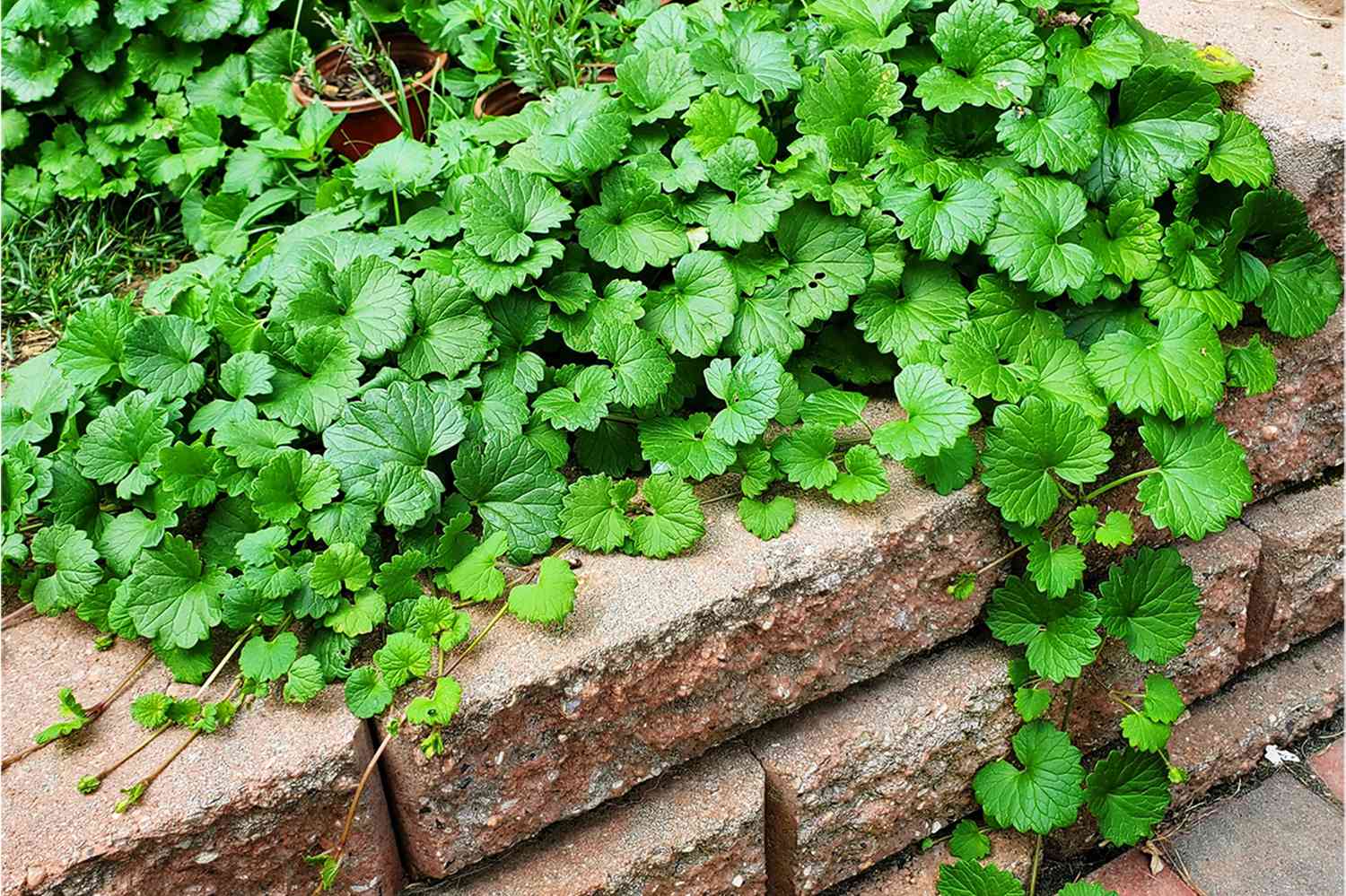
Late March or Early April
We apply a granular pre-emergent — Snapshot — to planted beds to stop new weeds from germinating. Existing weeds already up get a liquid spot treatment on the same visit.
This is the visit that decides how the bed looks in June. Miss the early-spring window and you spend the summer catching up. Snapshot is labeled for ornamental beds; we apply it around the shrubs and perennials on your property, not as a blanket over the whole yard.
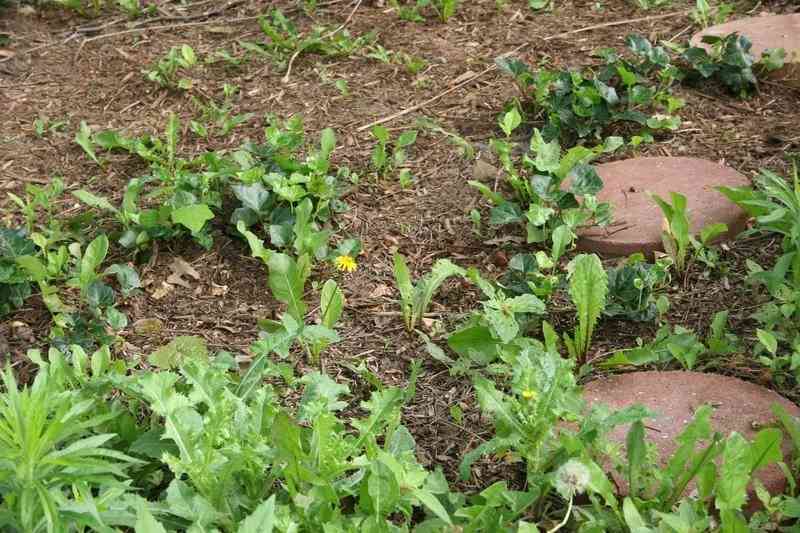
Late June or Early July
A liquid post-emergent knocks down weeds that came through after the first visit. This application kills plants that are present. It does not prevent new germination the way the spring granular does.
Step 2 includes a 14-day guarantee. If listed weeds return in that window, we come back. This visit can also be scheduled on its own if spring already got away from the beds.
What we do not promise
No bed stays bare if it is never edged, never mulched, and watered like a lawn. We will tell you when the real fix is a cleaner edge, a thicker mulch layer, or replacing a plant that has left a hole weeds keep filling. The program controls weeds. It does not redesign a neglected bed by itself.
Mulch, Edging, and What Homeowners Still Need to Do
Weed control works best on a bed that is already set up to win:
- A defined edge so lawn grass stops creeping in
- Two to three inches of mulch, pulled back off shrub stems
- Water aimed at the plants you want, not a daily mist that germinates seed
- No rototilling that brings a new batch of seed to the surface every spring
A Year of Care for Your Garden Beds
Late winter / early spring (March–April)
Bed inspection. Snapshot pre-emergent. Spot-treat weeds already growing.
Late Spring (May)
Beds should stay cleaner than last year. If a wet stretch pushes a flush through, note it for the July visit rather than panic-spraying off schedule.
Early Summer ( Late June - Early July)
Post-emergent cleanup. 14-day guarantee starts here.
Late Summer / Fall
Light hand-weeding of stragglers is enough on a bed that had both steps. Fall is also when we talk about next year’s shrub feeding or winter protection if those services belong on the property.
Why Homeowners Choose On Target
- A two-step calendar built for Illinois, not a generic “weeds as needed” route.
- Snapshot pre-emergent plus liquid cleanup — the same program described on our services list, written out so you know what you are buying.
- 14-day guarantee on the mid-season visit.
- ISA-certified arborists who will not treat a bed as an afterthought to the trees.
- Family-owned. Green industry experience since 1985. Satisfaction guarantee on the work we perform.
- Annual service you can renew or cancel. No pressure contract.

Ready for Your Garden to Stay Clean Through the Summer?
If you are still pulling the same weeds every weekend, or last year’s mulch disappeared under a green carpet by June, the useful next step is a spring pre-emergent — not another Saturday with a bucket.
Call On Target Tree & Shrub Care at 224-671-9377 to schedule plant bed weed control in Palatine or the surrounding northwest suburbs. We will tell you what the beds need this season, whether one visit is enough, and how to keep the plants you actually wanted in front.