
Certified Arborist Shrub Care
Helping your shrubs to help themselves with expert arborist care.
Why Shrubs in the NW Suburbs Need Professional Care
Shrubs do the close-up work in a northwest-suburban yard. They screen the neighbor’s driveway, finish the foundation, and give the front walk a finished edge. When they brown, mildew, get eaten, or disappear under weeds, the whole property looks tired — even if the big trees are fine.
On Target Tree & Shrub Care is a family-owned plant healthcare company serving Palatine and the surrounding northwest Chicago suburbs. Our ISA-certified arborists inspect hedges, foundation plantings, and ornamental beds, then build a treatment plan around those plants — not a one-spray-fits-all route.
Foundation beds and hedge lines sit in the hardest spots on the lot: reflected heat from brick, compacted clay, downspout splash, and a wall of road salt on the street side. Add a wet spring and a windy January and small problems turn into a thin, brown hedge.
What we see most often on local properties:
- Winter burn on arborvitae hedges, boxwood, holly, and yew
- Powdery mildew on lilac after a humid stretch
- Leaf spotting on flowering shrubs when April and May stay wet
- Aphids, scale, mites, and bagworms on hedges and ornamentals
- Viburnum leaf beetle and Japanese beetles on favorite flowering shrubs
- Boxwood leafminer and winter injury that get blamed on “dead plants”
Our Approach
On Target Tree & Shrub Care is a family-owned plant healthcare company serving Palatine and the surrounding northwest Chicago suburbs. Our ISA-certified arborists inspect the property, identify what is actually stressing your plants, and build a treatment plan around those plants — not a one-size-fits-all spray schedule.
Helping your plants to help themselves is the point. We treat insects, disease, nutrition, weeds, mosquitoes, and winter burn so your landscape can do the rest. A 30-minute property inspection is how we sort symptoms from causes. You get a clear recommendation, not a menu of extras.
Our Shrub Healthcare Process
1
Inspection
We look at hedges, foundation plantings, and bed edges together: species, sun and shade, soil, salt exposure, and current symptoms. Most inspections take about 30 minutes. You get a clear plan for the shrubs — treat, feed, weed, protect for winter, or stop putting money into a plant that will not come back.
2
Treatment
Timing follows the plant. Pre-emergent weed control goes down in late March or early April. Disease sprays start in spring. Insect work is timed to the pest, often late May into early summer. Root feeding is spring or fall. Anti-desiccant goes on in late November or early December. Organic options are available when they fit the problem.
3
Follow-Up
Shrub programs run with the seasons. We review results, adjust the plan, and offer annual service you can renew — or cancel — without a long contract. If weather interferes or a treatment does not perform as expected, we stand behind the work.
Some of Our Certified Arborist Services
Shrub Disease Control
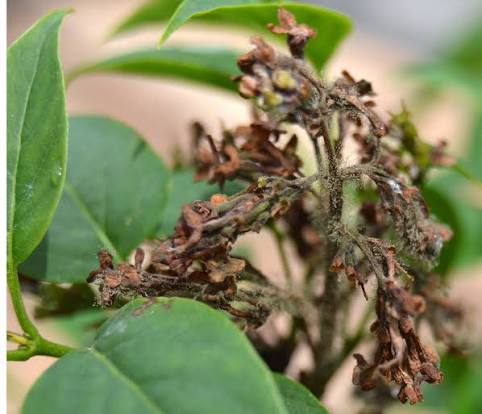
Wet springs in the northwest suburbs favor leaf diseases on flowering shrubs. The plant may not die the first year, but it looks poor, drops leaves early, and weakens.
We identify the disease and treat it in the right window, usually beginning in April and May, with follow-up applications about three weeks apart when weather requires it. Sprays and drenches are chosen for the plant and the bed — not for the whole block.
Conditions we regularly manage on local shrubs include:
- Powdery mildew on lilac
- Leaf spotting on flowering shrubs
- Black spot and related leaf diseases on roses
- Needle and tip blight on arborvitae and other evergreen hedges
If the real problem is winter injury or poor placement, we will say so instead of selling a spray that will not fix it.
Shrub Insect Control
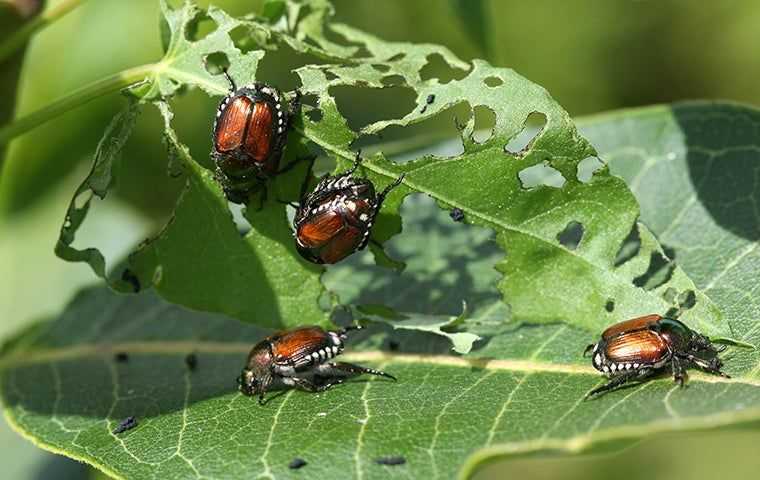
Hedges and foundation plantings hide insects until the damage is obvious — sticky leaves, yellow stippling, bags hanging on arborvitae, or a viburnum stripped in June.
The program starts with horticultural (dormant) oil in early spring to smother overwintering eggs. That oil is not a conventional insecticide, and it holds up through rain once it dries.
Shrub Root Feeding
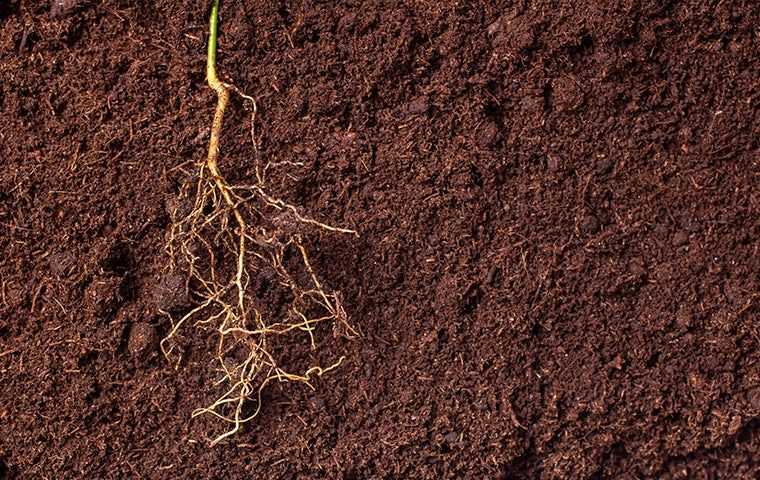
Foundation beds and hedge lines are often the most compacted, root-crowded soil on the lot. Granular fertilizer on top of mulch does not reach those roots reliably.
Root feeding puts liquid nutrition into the soil around the shrubs — typically in spring or fall — so plants can push new growth, hold color, and handle summer drought. If weather interrupts the application or you are not satisfied with the result, we retreat.
Anti-Desiccant Winter Protection
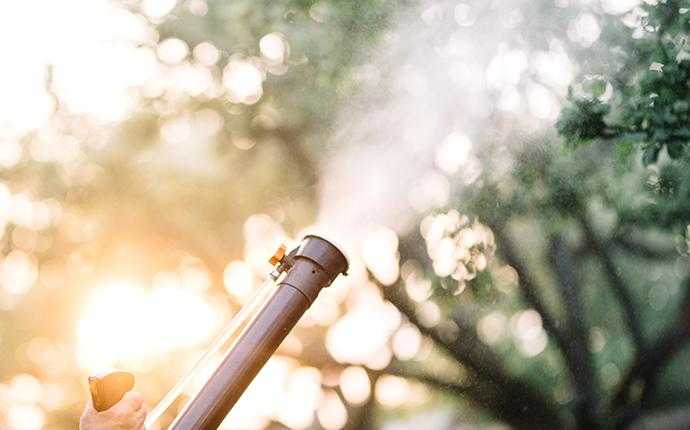
Arborvitae screens, boxwood, holly, and yew lose moisture all winter while frozen ground keeps roots from replacing it. Road salt on corner lots makes it worse. The result is the brown hedge that shows up in March.
An anti-desiccant spray, applied once between late November and early December, slows that moisture loss. It is the most practical way to protect a hedge you cannot replace in a weekend.
Mosquito Control
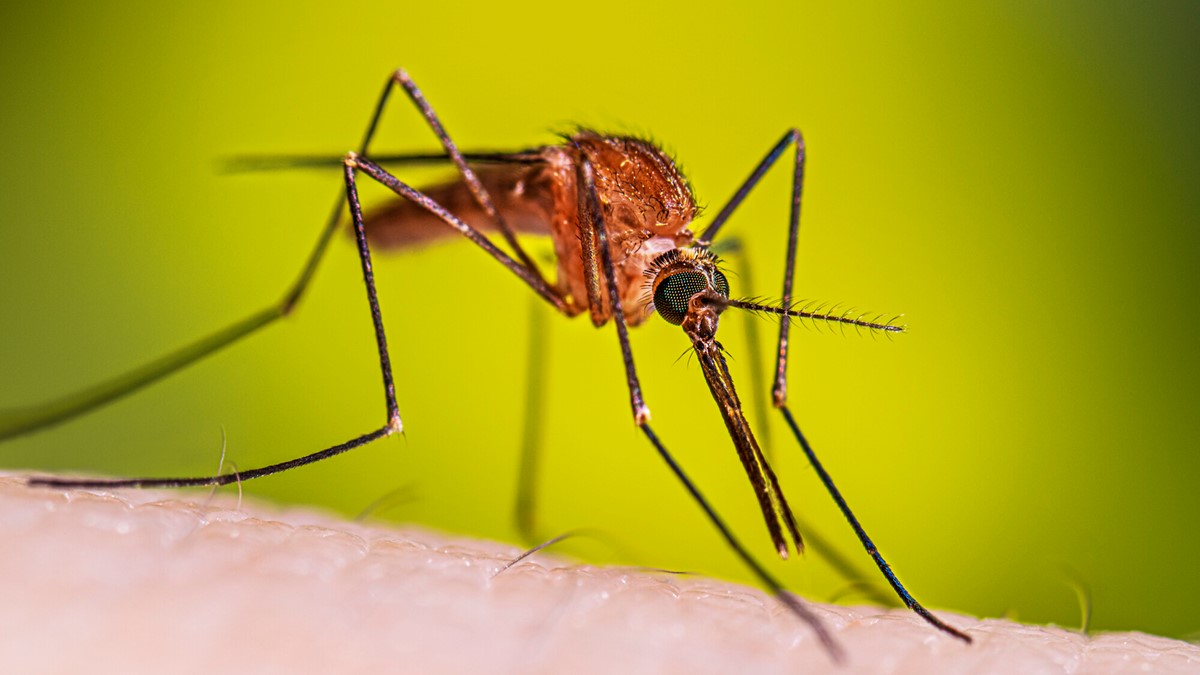
If the shrubs look good but nobody will sit near them after dusk, mosquito control can be scheduled with shrub-care visits. It is an add-on, not a substitute for treating the plants.
Mosquito control is part of our insect program for homeowners who want evenings on the deck without a cloud of bites. We time applications to local mosquito activity and coordinate them with the rest of your plant healthcare visits whenever we can.
A Year of Care for Your Property
Late winter / early spring (March–April)
Bed and hedge inspection. Pre-emergent weed control. Dormant oil where insect history calls for it.
Spring (April-May)
Disease control on lilac, rose, and other susceptible shrubs. Spring root feeding on beds that need it.
Late Spring / Early Summer (May-July)
Insect treatments timed to bagworm, beetle, mite, and aphid activity. Mid-season weed control in beds.
Fall (September–October)
Root feeding so shrubs head into winter with a reserve. Review of thin hedges and plants that should be replaced rather than treated again.
Late fall (November–early December)
Anti-desiccant on arborvitae, boxwood, holly, yew, and other evergreens prone to winter burn.
Why Homeowners Choose On Target
- ISA-certified arborists and members of the International Society of Arboriculture and the Illinois Arborist Association.
- Green industry experience since 1985. On Target Tree and Shrub Care, LLC was established to bring that experience to residential plant healthcare in Palatine and the NW suburbs.
- Custom plans. Organic options available when they fit the problem.
- Satisfaction guarantee on the services we perform.
- Annual programs you can renew or cancel. No pressure contract.
- A small, family-owned company. You talk to people who actually work on the property.
Ready to Get Your Trees and Shrubs Healthy Again?
If the arborvitae browned last winter, the lilacs mildew every June, or the beds are losing to weeds by Memorial Day, the next useful step is an inspection — not another bag of mulch on top of the same problem.
Call On Target Tree & Shrub Care at 224-671-9377 to schedule a shrub and plant bed inspection in Palatine or the surrounding northwest suburbs. We will tell you what the plantings need this season, what can wait, and how to keep them filling in the way they were planted to.